
Changing Lives One Dog At A Time
Changing Lives One Dog At A Time

Travelling with your Assistance Dog can be a smooth and stress-free experience when your dog is properly prepared for the journey. One of the most important skills for air travel is teaching your dog to toilet on a puppy pad when needed.
Many handlers ask:
“How do I train my dog to use a puppy pad if they are already fully house-trained?”
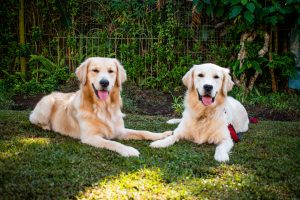 Dobby and Robin the twins.
While it may feel unusual teaching a dog that normally toilets outdoors to suddenly use an indoor surface, this skill can be incredibly valuable during flights, long airport delays, or travel situations where outdoor access is limited.
This guide is designed for fully house-trained Assistance Dogs who need to learn precision toileting on a designated puppy pad in a calm and controlled way.
During long-distance travel or flights, your dog may need to relieve themselves in confined spaces such as airport relief areas or aircraft bathrooms. Teaching this skill helps:
Every dog learns differently, so we recommend choosing the method that best suits your dog’s personality and learning style.
This method focuses on routine, repetition, and clear communication.
Begin training in a quiet, enclosed area such as:
Using the same location consistently at the start helps your dog understand the new behaviour being asked of them.
Pay attention to when your dog normally needs to toilet, such as:
Watch for signs like:
Timing is important. Guide your dog to the puppy pad before they toilet.
Place several puppy pads on the floor and calmly encourage your dog into the area.
Use your normal toileting cue such as:
When your dog toilets on the pad:
As your dog improves:
This helps your dog distinguish between outdoor toileting and indoor emergency toileting.
Once reliable in one room:
Continue rewarding successful toileting on the pad.
Prepare your dog for realistic travel situations by:
The goal is to build confidence and reliability.
Once your dog is confident at home:
If possible, visit the airport before travel to familiarise your dog with the environment and designated relief areas.
Always carry:
Responsible handling and hygiene are essential.
This method works well for dogs that learn strongly through scent association and shaping behaviours.
Cut a small piece of puppy pad and lightly scent it using your dog’s urine.
Place this piece in your dog’s normal outdoor toileting area.
Allow your dog to investigate it naturally and reward interest in the scented pad.
Over time:
The goal is for your dog to actively seek out the pad when they need to toilet.
Teach your dog to step into a shallow tray, box, or container.
You can begin with:
Reward:
Once your dog confidently stands inside:
Place the scented puppy pad inside the tray and practice:
This helps prepare your dog for confined travel environments such as aircraft bathrooms.
Keep sessions:
Progress may take time, and patience is key.
Every Assistance Dog learns at their own pace.
With consistency and positive reinforcement, your dog can learn this valuable travel skill confidently and safely.
Safe travels from the team at Smart Service Dog.